 book a demo


 book a demo

One API call runs your validated AI pipeline from any TMS, CMS, or automation tool
Model-agnostic — swap LLM providers without touching your integration
Consistent output — the same validated action, every time, at any volume
THE CHALLENGE
01
Every TMS, CMS, or automation tool speaks a different integration language. Building a custom connector per platform doesn't scale.
02
A pipeline that works great for 10 test segments in a UI breaks down at production volume.
03
A raw LLM chat has no memory of your glossaries, style guides, or quality bar — every prompt starts from zero, with no way to reproduce results at scale.
04
Marketing copy, support docs, and UI strings each need different context and formatting — a single hardcoded call can't flex across teams and content types.
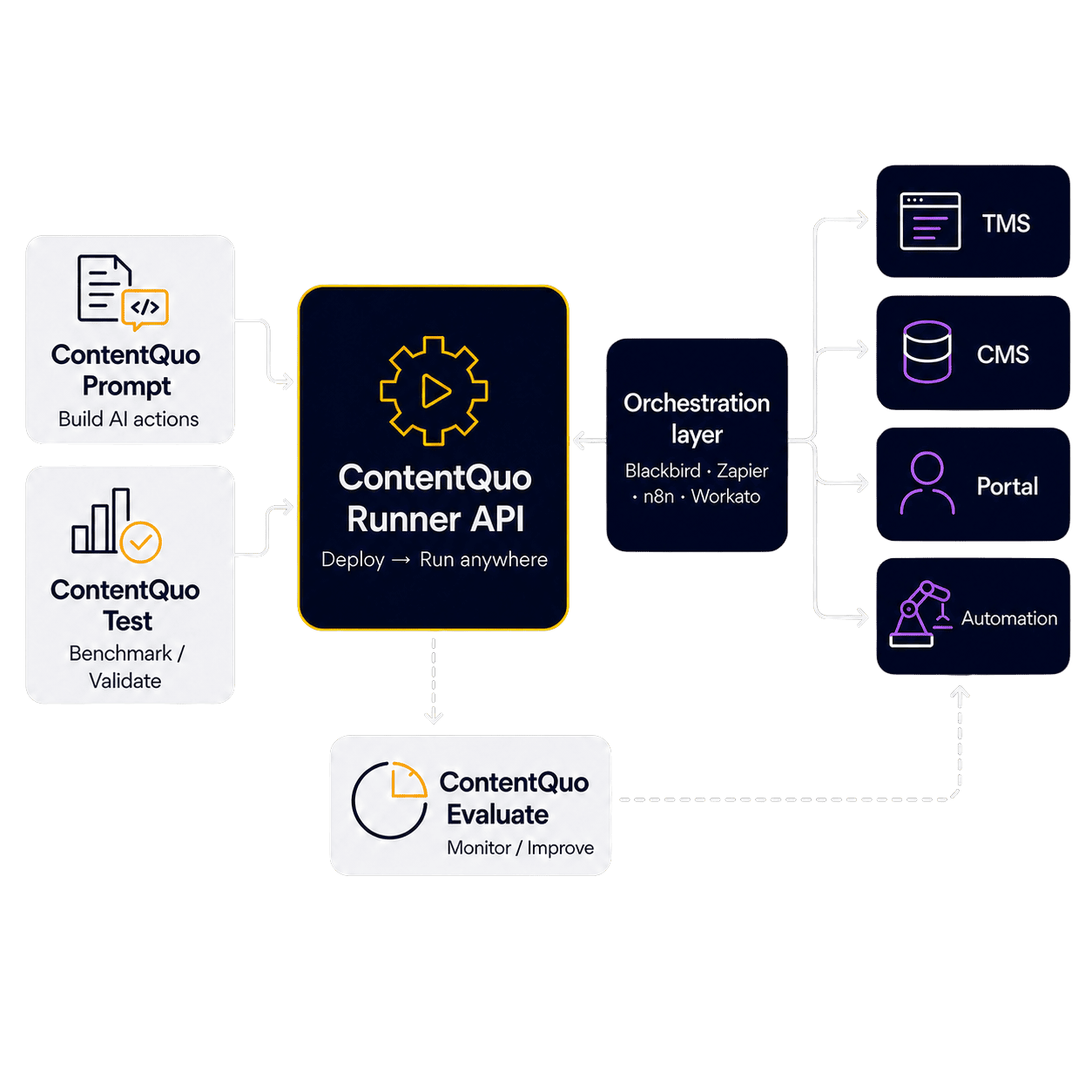
Runner API is the layer that turns a validated action into a live endpoint.
WHERE DOES IT FIT INTO YOUR WORKFLOW?
Move away from managing localization programs & vendors and into owning multilingual AI systems and their quality evaluation.
ContentQuo AI Studio works with any commercial AI model like OpenAI GPT, Anthropic Claude, and Google Gemini. It also works with any open-source models like LLaMA. Leverage your corporate approved AI provider & avoid vendor lock-in. Mix & match any LLMs per language or content type.

.png)
HOW TO USE IT
Runner API takes what you built and tested in CQ Prompt and CQ Test, and turns it into a live endpoint any system in your stack can call.
BUILT FOR: localization ENGINEERING TEAMS
If you're an LSP, Runner API is how you turn a client-specific AI action into a billable service — deployed under your name, on your infrastructure terms.
One REST endpoint works with any TMS, CMS, or automation tool your client already uses. No custom integration per client.
The same validated action runs identically whether it's called 10 times or 10,000 times a day.






TAKE CONTROL
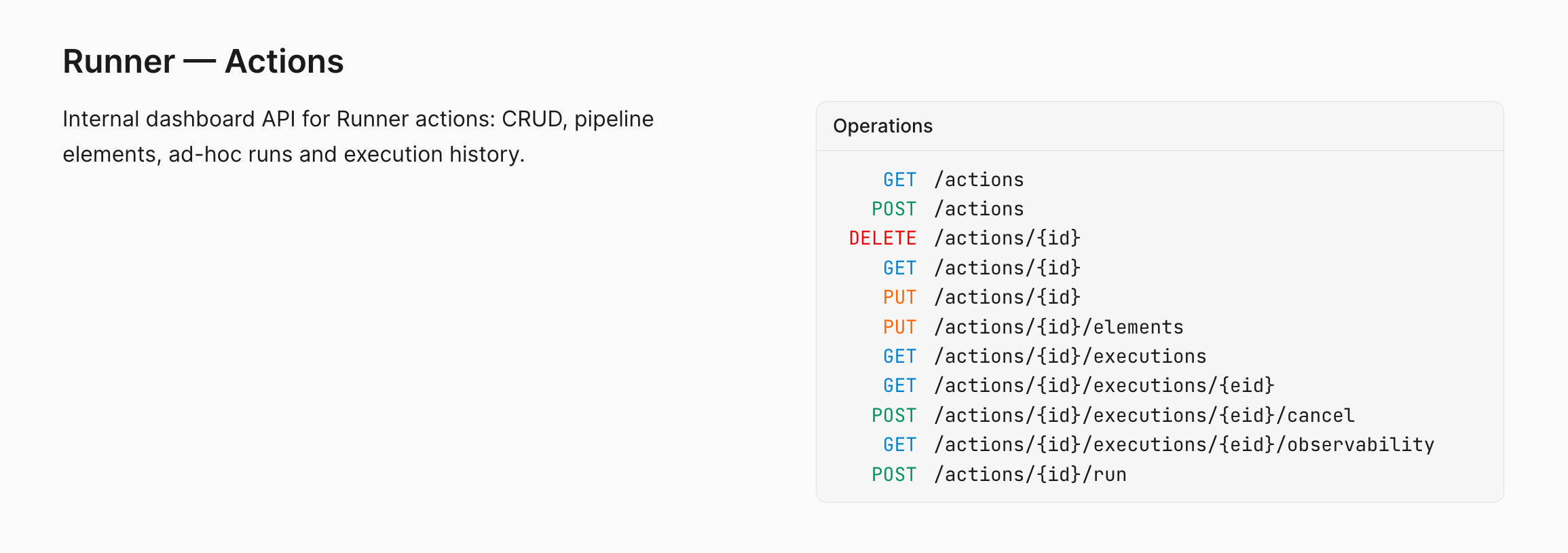
Runner API runs the action you built and tested — not a black box. Same model, same context, same quality bar, every time it's called, from any system you plug it into.
One REST endpoint replaces custom connector work for every TMS, CMS, or automation tool in your stack.
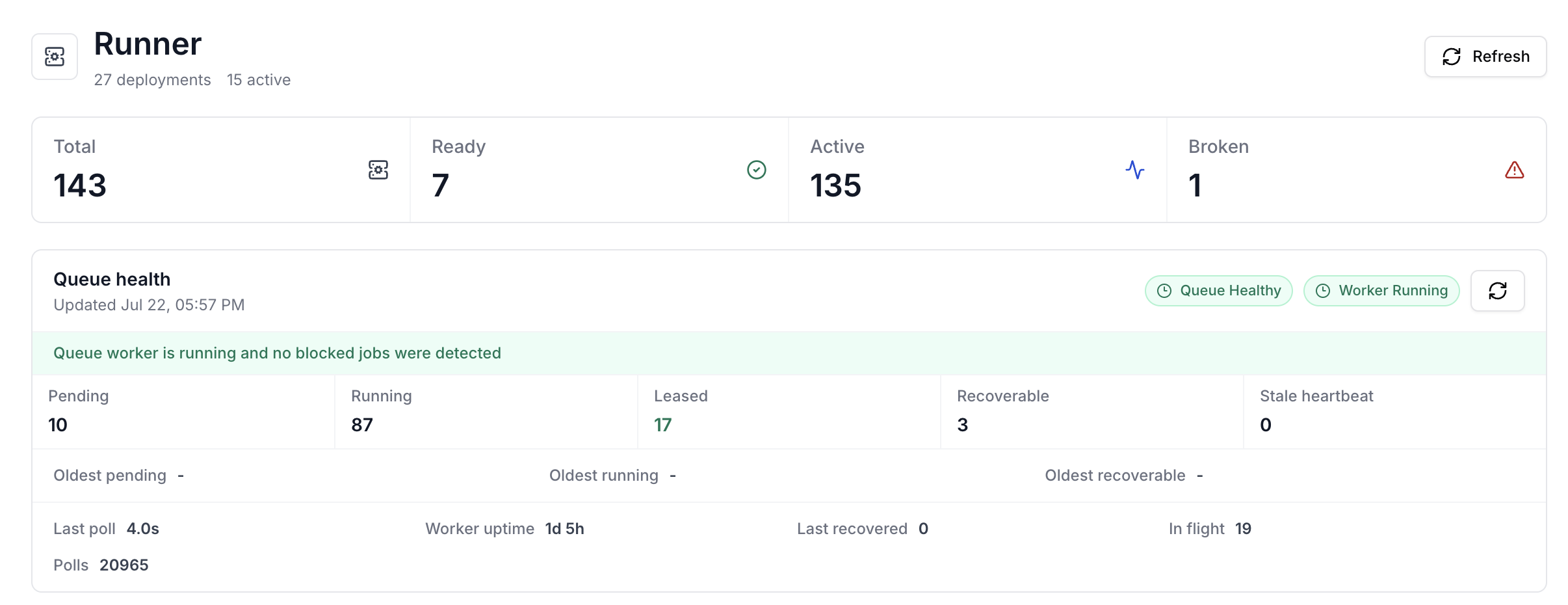
Every call is logged — latency, success rate, output — so you can show engineering exactly what's running in production.
A stable, monitored API turns your localization AI work into infrastructure other teams can depend on.

 TALK TO AN EXPERT


